

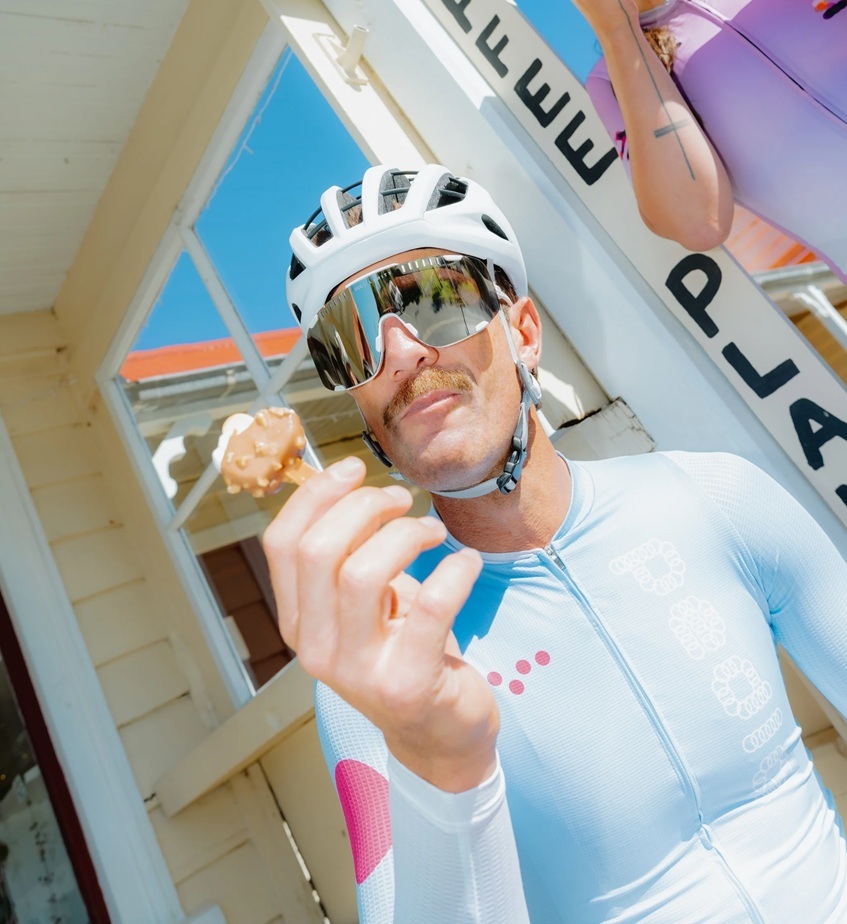
Cover Up and Keep Cool: The Australian Cyclist’s Guide to Long Sleeve Jerseys
Have you ever shown up at a group ride wearing a long-sleeve jersey on an Australian summer day that’s 30 degrees, only to get a couple of curious looks from others? If so, you know all too well that there’s a misconception among cyclists that long sleeves mean you’ll end up overheated. However, just talk to a cyclist who’s clocked plenty of miles in the sun in Australia, and their opinion will change your mind. The truth is that a high-quality long-sleeve jersey could be the best thing you’re missing out on.
Contents
Australian Sun Is Not a Joke
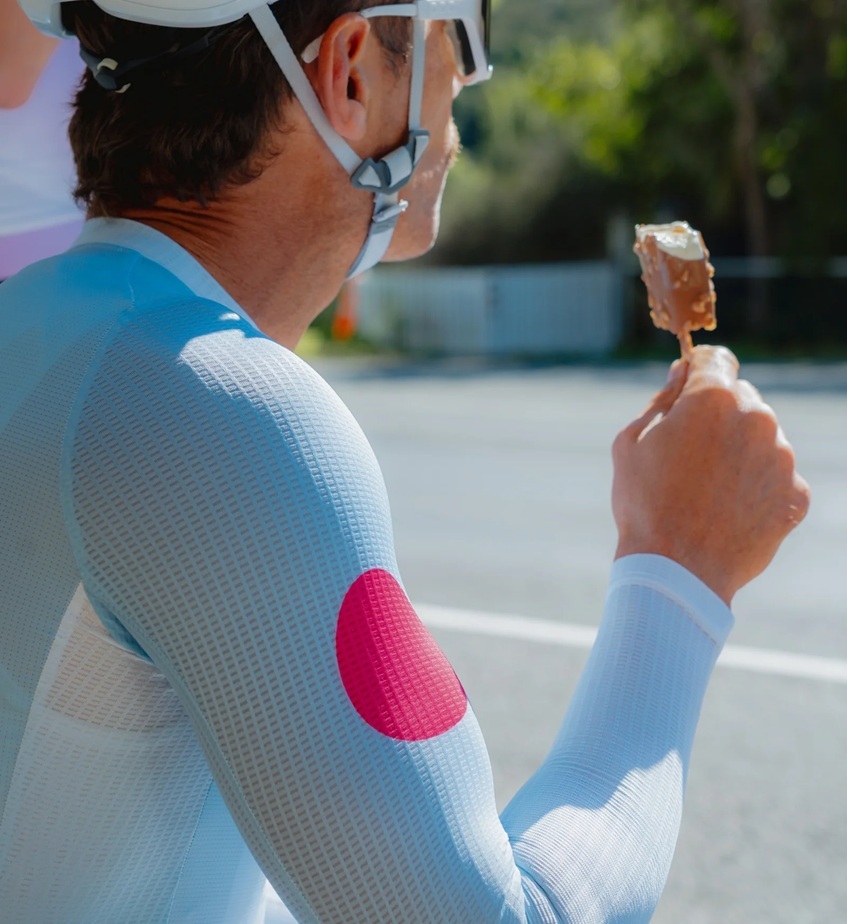
It doesn’t take much to realise what it’s like to cycle in Australia. It means experiencing UV indexes going to “extreme” levels as early as 10 am! It means summers that stretch from October to March, and it means long rides where you can get sunburnt within the first hour, as sweat makes your sunscreen ineffective.
Short-sleeve jerseys look and feel nice to wear, yet after a couple of hours, your forearms suffer immensely from direct exposure to sunlight. Each time you cycle in sunny weather, skin damage accumulates. Australia has the highest rate of melanoma diagnoses in people aged 15 to 44, more than any other type of cancer, and bikers, being under direct sunlight for such a long period of time, are especially vulnerable. Long sleeve summer cycling jerseys made from the right fabrics are one way to help prevent this problem.
When to Wear a Long-Sleeve Cycling Jersey
The perfect time to wear a summer long sleeve cycling jersey in Australia is broader than expected:
- Morning rides in summer – Even a 5:30 am start can still see UV levels high enough to do some harm, particularly from October onwards. Arms covered means you’re not scrambling for sunscreen at 5 am.
- More than 3 hours of cycling – Despite diligent application of sunscreen, friction and sweating render it useless after some time. A jersey protects you during the whole bike ride without any effort on your part.
- Open and coastal roads – When you’re out in the open with no shade for kilometres, you need coverage. Wind will also dehydrate unprotected skin in seconds.
- Late afternoons – The afternoon UV spike is not something you should ignore. If you’re planning an early evening ride (past 3 pm in summer), you will certainly benefit from arm protection.
- Fair-skinned riders – This one is obvious. If your dermatologist has already made his point clear about excessive exposure to UV rays, wearing a summer long sleeve jersey should be a permanent part of your wardrobe routine.
Why They Actually Don’t Make You Any Hotter
Here’s the most important part. The assumption is that more material means more heat. However, the latest summer cycling jerseys are built to function in a completely different manner.
Modern fabrics such as mesh-backed polyester blends or open-weave performance materials are designed to wick moisture away from your skin while providing maximum airflow. Moreover, some materials create a sort of microclimate around your body that makes you cooler than when you’re without clothing, since the sunlight is not burning your arms.
It may remind you of a Bedouin robe in the desert, where loose material protects you better than wearing no clothes at all. Physics really works in this case.
What’s very important is buying a jersey that is specifically made for summer, not just an ordinary long-sleeve jersey in a lighter colour.
What to Look For
Below are some factors to differentiate between a good summer long sleeve cycling jersey and one that would make you roast like a turkey:
- UPF rating: A good summer jersey should be at least UPF 50+. This means that it blocks over 98% of the UV rays. Jerseys with no UPF rating but branded as sun protection are just misleading. Check the specifications.
- Fabric weight: A summer jersey needs to be lightweight. You need fabric that is below 150gsm. Heavy fabrics retain more heat, while light fabrics are breathable and flow easily.
- Mesh panels: A good summer long-sleeved jersey should have mesh panels on key body parts, including the upper arms, armpits and back.
- Wicking technology: Must-have feature. A jersey that does not allow your body sweat to dry quickly will not only be uncomfortable but also have an unpleasant odour after use. Choose blends of spandex and polyester with active moisture transfer properties.
- Fit: A good aerodynamic fit is crucial for jerseys, as loose material can flap around and create extra warmth. A tight but not restrictive fit will ensure optimal functioning of the wicking materials.
- Flatlock seams: With long sleeves, there is increased contact of the fabric on your arms. Flatlock seams will prevent chafing during rides lasting over 90 minutes, particularly when you sweat.
- Zipper length: A three-quarter zipper allows you to adjust ventilation when necessary.
The Bottom Line
Australians have a complicated relationship with the sun. We love it, but we have to protect ourselves from it. The long sleeve cycling jersey for summer is one of those pieces of riding equipment that pays off in the long run. Cover up, keep cool, and enjoy your bike ride rather than spending the following day suffering from sunburn.
Sorry, the comment form is closed at this time.