

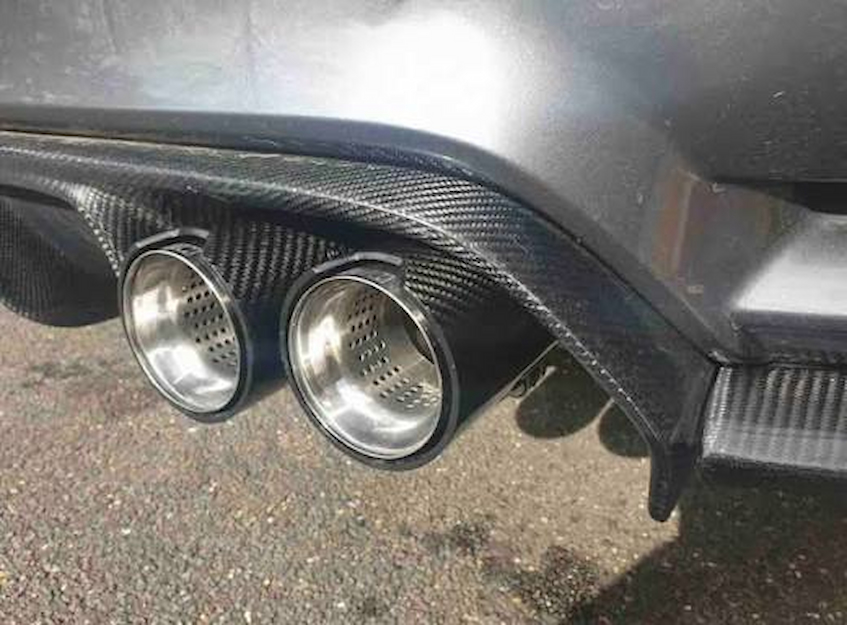
Mastering Your Exhaust Setup: The Complete Guide to Exhaust Tips
Factory exhausts are often the first components in planned vehicle upgrades. Changing the stock piping in your car provides multiple benefits, from increased horsepower and usable low-end torque to enhanced durability and improved aesthetics.
While complete cat-back and axle-back systems boasting new mid-pipes and revised mufflers are common performance options pushed by dealers and manufacturers, for a simple aesthetic upgrade, consider going with new exhaust tips. These come in multiple design, material and performance options, ranging from a glossy exhaust tip chrome finish to angle-cut stainless steel and resonated tips to tune the sound – to mention a few. Where the parts excel is providing many of the benefits of full exhaust assemblies without the high price tag or extensive installation needs.
Contents
Exhaust Tip Basics
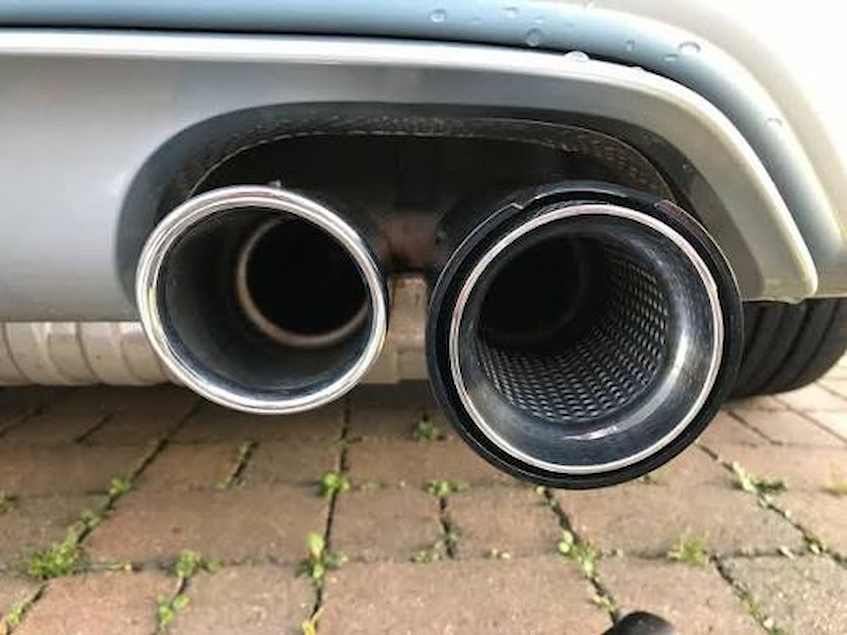
Located at the end of the exhaust systems. Tips are the visible extensions that attach to tailpipes and muffler assemblies. They slide over or clamp onto existing pipes, providing a clean look and easy, bolt-on installation. Rather than adding horsepower or improving exhaust flow, their main role is cosmetic. With dozens of material and design variations, tips are the easiest and most noticeable upgrades for any vehicle.
Tip Types and Styles
Altering the look, to an extent, the sound of your exhaust has never been easier. Tips fit seamlessly into the modular exhaust design, ensuring more customisation and a variety of looks. Common examples are:
- Straight-cut tips: These feature straight or perpendicular openings at the tube ends, providing classic, no-nonsense styling. The design maximises the visible interior, allowing car owners to showcase chrome-polished and gloss metal finishes. Choose these for wider compatibility with a range of factory bumpers, multiple diameters and affordable pricing.
- Angle-cut: Angle or slash-cut tips have outlet piping sliced at an angle, usually between 15 and 30 degrees. They provide a more aggressive, race-ready look, more clearance for aftermarket bumpers, and a slightly deeper exhaust note, with sound waves reflecting off road surfaces. An overlooked benefit is that they help keep panels and bumpers clear of built-up soot and high exhaust heat.
- Rolled-edge: These go for smoother, rolled lips rather than sharp cuts, ensuring a more substantial and sporty appearance. The rounded edges make tips appear larger, while the curved profile ensures easier and safer cleaning. Choose these for improved corrosion resistance in hot and humid areas and in systems with noticeable exhaust drone.
- Resonated: Resonated exhaust tips have an integral resonator chamber to smooth out high-pitched frequencies and produce a deeper, more refined exhaust note. This is especially noticeable at higher RPMs.
Single vs. Double-Walled Tips
Besides appearances, exhaust tips can also differ in how they’re made. Single-walled tips consist of one thin sheet of metal, giving a raw look with sharp edges. While lighter and more affordable, they are more prone to discolouration, rusting and staining from hot gas temperatures. By comparison, double-walled types use two concentric metal layers, giving off a beefier appearance. These also perform better at higher engine loads, with the inner layer absorbing most of the heat, leaving the outer layer cleaner and more protected from colouration. The downside is the heftier price tag and increased weight.
Materials and Finishes
Stainless Steel
Vehicles used in humid climates and on abrasive, unpaved roads benefit from high-grade stainless steel. Choose T304 stainless with higher chromium and nickel content for improved resistance to rust, pitting and discolouration. The alloyed nickel and chromium provide a polished mirror finish with little to no maintenance needs.
A more affordable option is T409 stainless steel, with lower nickel content, slightly less rust resistance but decent performance at higher exhaust temperatures and cracking. The material is more widespread in factory-installed exhausts.
Chrome-Plated
To get a highly-reflective, mirror-like sheen and enhance your vehicle’s kerb appeal, go with an exhaust tip chrome. This is mild or stainless steel tubing with chrome plating. Applying a thin layer of chromium through an electrochemical process improves the base metal’s hardness and ensures increased protection against rust and daily wear. Chrome-plated tips exhibit high resistance to salt, road debris and moisture, good performance in high heat (resisting degradation, bubbling and peeling) and are straightforward to clean. Clean water, car wash soap and a soft microfibre cloth will remove most grime and residue. Choose bolt-on, clamp-on or welded chromed tips in standard or resonated designs for a value-packed, aesthetically pleasing addition to your car.
Carbon Fibre
At the higher end of price and performance scales are exhaust tips made or metal cores wrapped in lightweight carbon fibre sleeves. These battle with chrome exhaust tips for visual appeal, with distinctive weave patterns and gloss or matte finishes for an effortlessly sporty appearance. They provide some of the highest heat and corrosion resistance of any material, weigh significantly less and are less prone to soot build-up. Although matching vehicles in similar price brackets, carbon tips do exhibit minor downsides, including yellowing under intense UV exposure and brittleness in direct impact,
Other options include aluminium for low weight, decent protection, quick heat dissipation and affordability and black powder-coated tips for a sleek appearance, resistance to chipping and flaking, and the choice of matte, satin or gloss finishes. Once you’re set on designs, materials and finishes, consider dimensions and proper installation.
Tips need to have internal diameters that match the outer diameters of your car’s tailpipes. This provides a clean, leak-free fit. They can, however, be optioned in larger outer diameters to get the look you’re after, if compatible with the rear bumpers. Lastly, choose exhaust tips in the right length to prevent bumper damage and ensure correct ground clearance.
Sorry, the comment form is closed at this time.