

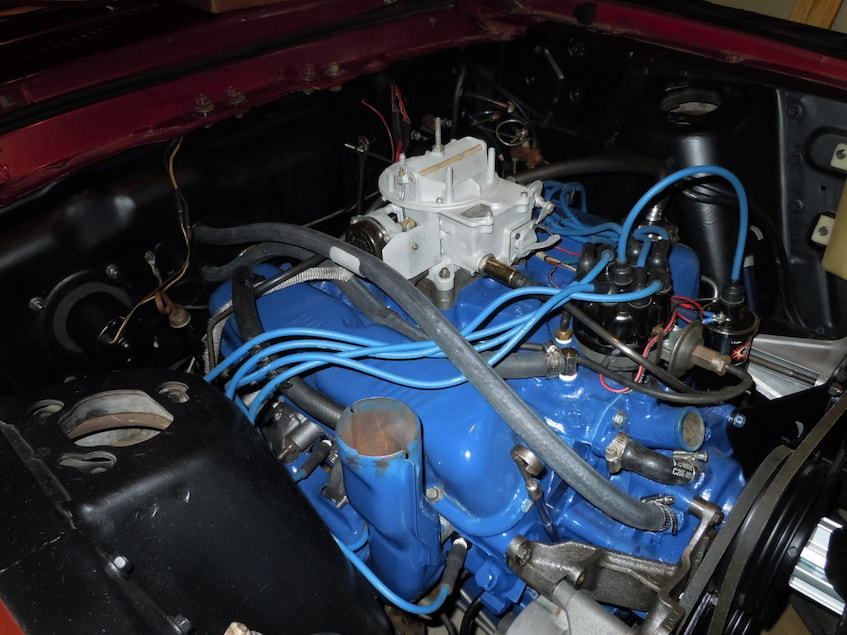
Everything You Need to Know About Ford Windsor Engine Parts
One of the most iconic small-block V8 families ever built, the Ford Windsor engine gets its name from the Windsor, Ontario plant where it was first cast back in 1962. Since then, it has powered everything from family sedans to full-blown muscle cars, and it earned a reputation for being tough, simple and easy to work on.
This is why it stuck around in various forms right through to 2001. While other engine families came and went as trends shifted, the Windsor continued to evolve and find new applications because Ford engineers could easily bore or stroke it to meet different performance targets.
Contents
Common Upgrades
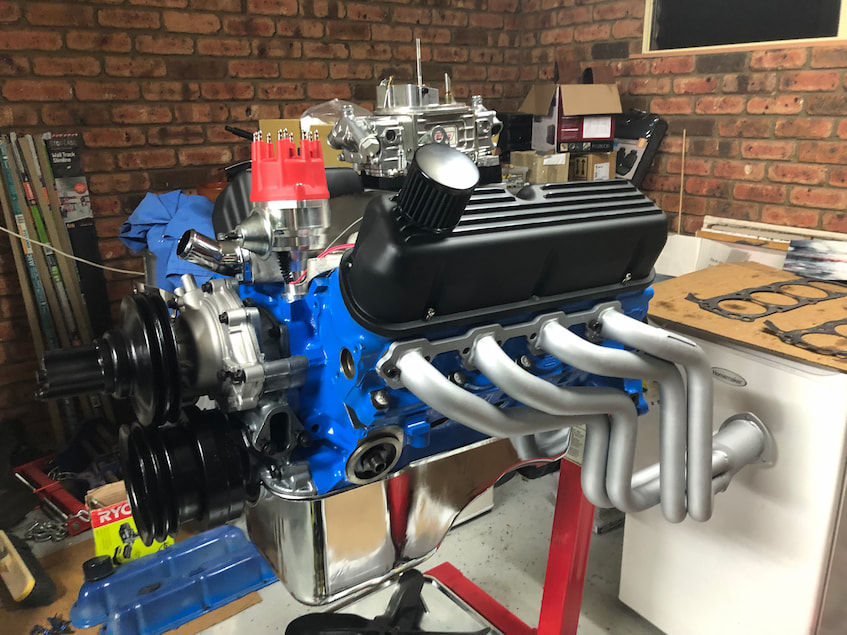
Dual Plane Intake Manifold
A dual plane intake manifold is one of the first upgrades most owners consider, since it helps improve throttle response and low-to-mid range torque compared to a single plane setup. The design of these Ford Windsor engine parts helps split the airflow into two separate paths, keeping high velocity through the runners, especially at lower RPM. Unlike a single plane manifold, which favours high-rpm power, a dual plane is typically the better choice for a street-driven Windsor.
Larger Carburetor
Stepping up to a larger carburettor is another common upgrade, particularly once other bolt-ons have opened up the engine’s breathing. A bigger carb helps deliver more fuel and air at higher RPM, though going too large can actually hurt low-speed drivability and fuel economy. Getting the sizing right, based on engine displacement and intended use, is definitely worth the extra research before buying.
EFI Conversion
Converting from a carburettor to electronic fuel injection is a bigger job, but it helps improve cold starts, throttle response and overall fuel efficiency across the board. Since EFI systems constantly adjust the fuel mixture based on sensor data, they tend to deliver more consistent engine performance than carburettors, regardless of weather or altitude. This conversion is quite popular among owners who want classic looks with more modern drivability.
Stroker Kits
A stroker kit increases the engine’s displacement by fitting a longer-throw crankshaft along with matching rods and pistons, which helps boost torque and horsepower without needing forced induction.
For a novice, stroker kits can be quite daunting, but with a simple engine like this, they don’t have to be. Because the Windsor block is such a well-documented platform, there is a reasonable amount of guidance and pre-matched kits available, which helps take a lot of the guesswork out of the build.
Types of Windsor Engines
221
The 221 was the very first Windsor, introduced in 1962 as a compact, lightweight V8 for smaller Ford models. It was not especially powerful by later standards, but it set the basic architecture that every later Windsor would build on, including the deck height and bore spacing.
255
The 255 arrived during the fuel crisis of the late 1970s, essentially a downsized 302 built to squeeze more economy out of a V8-powered car. It is not a popular choice for performance builds today, mainly because of its smaller bore limiting airflow, but it shares enough architecture with other Windsors to make parts swaps possible.
260
The 260 came shortly after the 221 and offered a bit more displacement and power while keeping the same lightweight design, as it largely retained the same Ford Windsor engine parts. It is best known as the engine that powered the very first Mustang prototypes, before larger options took over as the range expanded.
289
The 289 became one of the most celebrated small-blocks of the 1960s, especially once fitted with a four-barrel carburettor in the Hi-Po version. It struck a strong balance between weight and power, which is why it became such a favourite in early Mustangs and Shelby Cobras alike.
302
The 302 is easily the most common and most recognised Windsor of all, produced for decades across a huge range of Ford and Mercury vehicles. It offers a solid base for upgrades since aftermarket support is enormous and it remains the engine most people picture when they hear the word Windsor.
351W
The 351 Windsor is the largest and torquiest engine in the family, built with a taller deck height to allow for a longer stroke than the smaller variants. It is a popular choice for towing and performance builds alike, since the extra displacement helps deliver noticeably more low-end grunt.
Vehicles That Came With Windsor Engines
Mustang
The Mustang is arguably the model most closely tied to the Windsor engine, offering various displacements from the 260 through to the 302 and 351W across different generations. This pairing is why so many Windsor-powered project cars on the road today happen to be Mustangs.
Torino
The Torino used Windsor engines throughout much of its run, particularly the 302 and 351W, giving buyers a solid mix of everyday drivability and reasonable performance. It is a less common sight today, but the engines themselves are just as usable as they were in a Mustang.
Galaxie
As one of Ford’s full-size offerings, the Galaxie came with a range of engine options, including the 289 and later the 302, depending on the model year. The cars’ larger size meant these engines were often tuned for smooth cruising rather than outright performance.
F-Series
Ford’s F-Series trucks relied on the Windsor family for years, especially the 302 and 351W, since these engines offered the torque and reliability needed for daily towing and hauling duties.
Sorry, the comment form is closed at this time.