

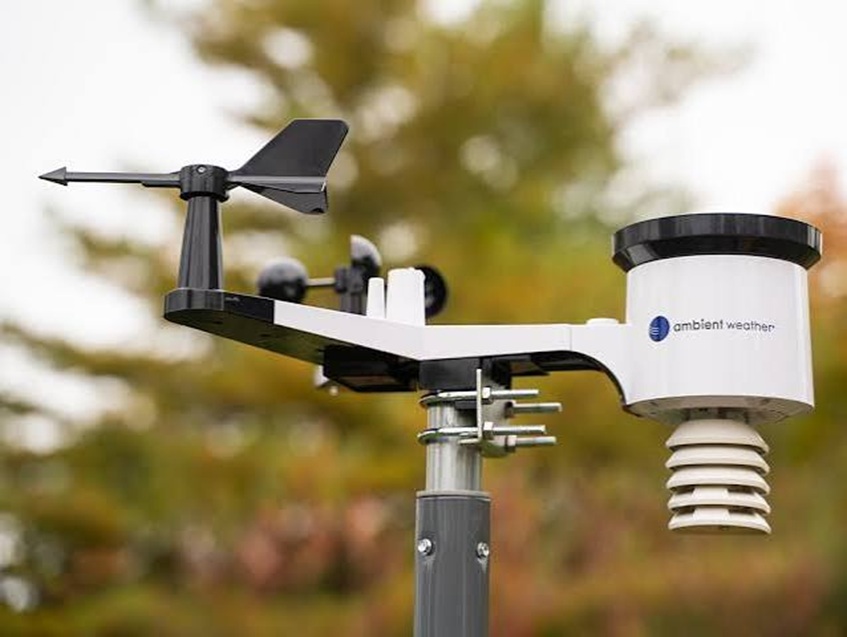
Weather Station Buying Guide: Find the Right Fit for Your Experience
One of the biggest challenges all gardeners face is unpredictable weather. You can work with the soil, choose what to plant and decide when to water, yet a sudden storm or scorching heat can ruin your hard work. Although weather is beyond your control, knowing what’s coming can help you stay one step ahead. The solution to this problem is a weather station. With such a device, you’ll know exactly what’s happening outside.
When it comes to weather stations, you’ll find plenty of models to choose from, from simple gadgets to advanced ones. The best way to decide which weather station for home use is to match the features to your experience and needs.
The Beginner Gardener
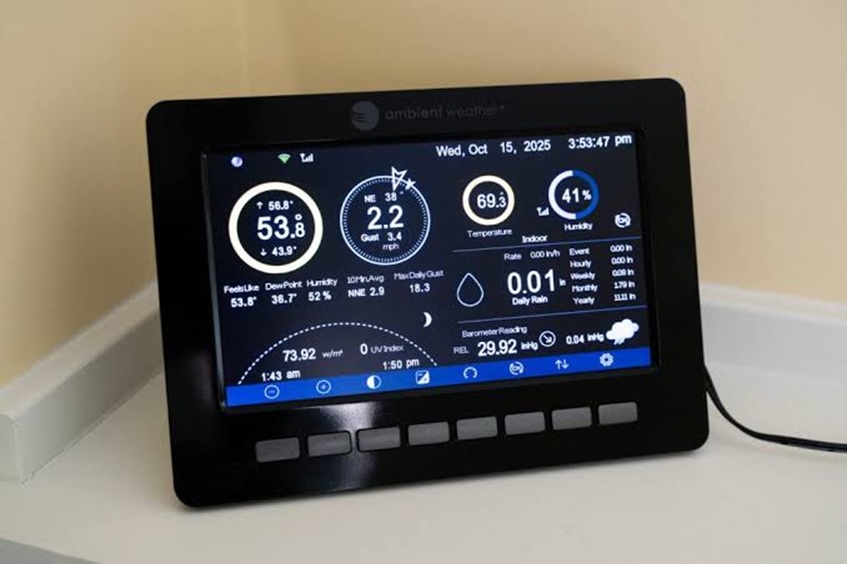
For someone just interested in weather monitoring for gardening, you won’t need a weather station packed with technical features. If you’re growing tomatoes in pots on the balcony, planting herbs near the kitchen door or trying to keep a small vegetable patch alive through summer, the main concern is knowing what the weather is doing around your plants.
A basic home weather station with an outdoor thermometer, humidity readings and a rain gauge is a good starting point. These measurements help you decide when to water, whether to bring sensitive plants indoors and when to protect young seedlings from cold nights.
For instance, if the forecast predicts a warm day but your garden is still damp from overnight rain, checking the actual rainfall and humidity can help you avoid watering unnecessarily.
Also, look for a model that’s easy to set up, has a clear display and shows indoor and outdoor temperatures at a glance. Wireless sensors can also come in handy. You can place the outdoor unit in a suitable spot without running cables through the house.
Some models also measure barometric pressure or display a simple weather forecast, but most likely you won’t need every available reading when you’re just learning the basics.
In most cases, weather stations for beginner gardeners are compact, with a small indoor screen and one outdoor sensor. Some have a separate rain gauge, while others can combine several measurements in a single unit.
The Seasoned Gardener
At this stage, you probably have a routine that works most of the time. You know when to sow seeds, how often your raised beds need watering and which plants struggle in the summer heat. However, the problem is that weather doesn’t always follow your routine.
The perfect station for the gardener with a few years under their belt records several measurements and tracks changes over time. Look for accurate temperature and humidity readings, rainfall totals, wind speed and direction, and historical data.
Imagine you’re growing tomatoes and cucumbers. After several damp days, humidity readings remain high, and the forecast calls for more rain. You can use that information to plan watering, improve airflow around plants and avoid working with wet foliage when conditions are likely to encourage disease. If you’re preparing to spray a garden treatment, wind readings can also help you decide whether conditions are suitable.
Next, a seasoned gardener may also appreciate a weather station home setup that connects to a phone or computer. Charts and stored readings make it easier to compare this week’s conditions with previous weeks and understand why certain plants performed better in one period than another.
Design-wise, these models often have a larger outdoor sensor array, a separate indoor console or a connected app, and more detailed screens or graphs.
The Gardening Guru
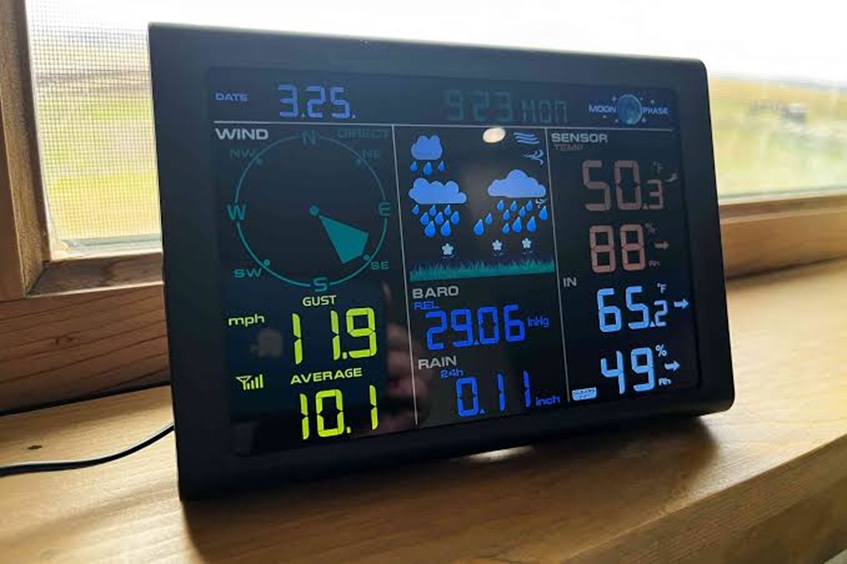
A gardening guru might manage a large kitchen garden, maintain a greenhouse full of seedlings, grow fruit trees alongside delicate ornamentals and keep several planting areas productive throughout the year. At this level, small differences in local conditions can influence when to irrigate, ventilate a greenhouse, protect crops and schedule outdoor work.
Prioritise accurate temperature and humidity measurements, rainfall, wind speed and direction, barometric pressure, historical records and internet connectivity. Depending on your setup, solar radiation and leaf-wetness sensors can also provide useful information. Solar radiation readings help you understand how much sunlight reaches your growing area, while leaf-wetness measurements can help assess conditions associated with certain plant diseases.
Take, for instance, a greenhouse filled with young tomato plants. On a sunny afternoon, temperatures can rise quickly even when the outdoor air feels comfortable. With suitable sensors and alerts, you can monitor temperature remotely and respond before the heat becomes a problem.
If you want more accurate readings and room to expand with additional sensors, an advanced weather station can help you make better-informed decisions for your vegetable garden, flower beds or greenhouse. If your station supports compatible automation, you may also be able to trigger ventilation equipment when present conditions are reached. Check compatibility before assuming a weather station can control greenhouse equipment directly.
For a large garden, the ability to export data, compare seasonal patterns and connect additional sensors may matter more than an impressive-looking screen. You could compare rainfall across growing seasons, assess wind exposure in different areas or use accumulated weather data to plan planting dates more accurately.
These stations often feature a multi-sensor outdoor array, a connected console or dashboard, customisable alerts and expandable monitoring options. Some are built for permanent outdoor installation and integrate with wider smart-garden systems.
Sorry, the comment form is closed at this time.