

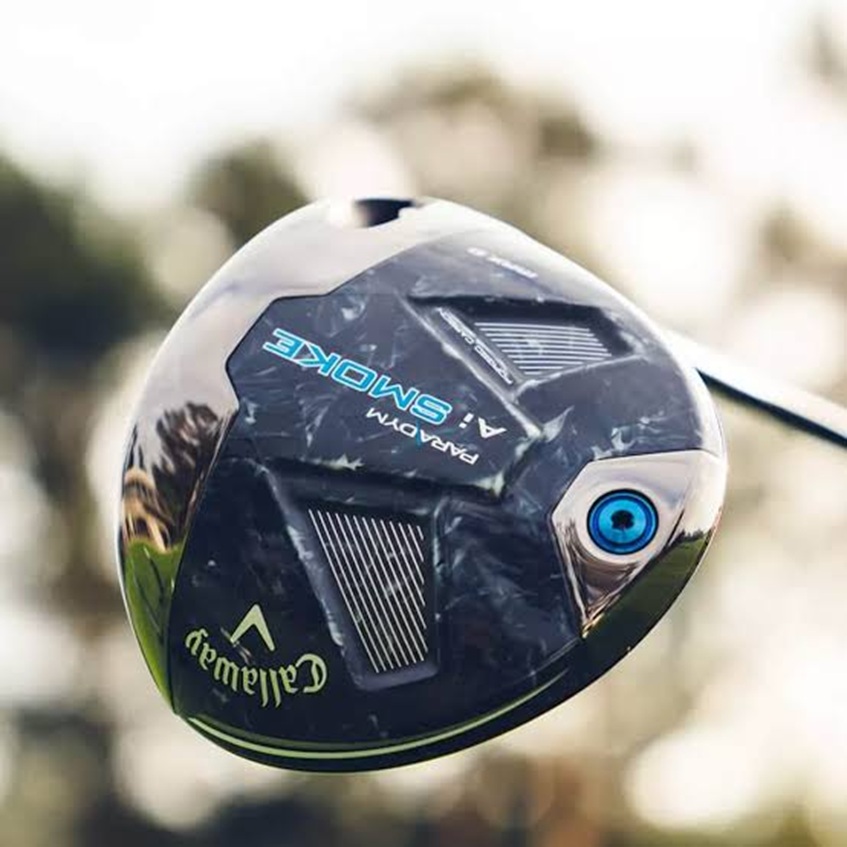
How to Choose the Right Golf Driver for Your Game
Modern golf drivers offer improvements in clubhead technology, shaft construction, and adjustability. For this reason, there are plenty of options to help golfers work towards longer drives and more consistent tee shots. Your driver is one of the most important clubs in your bag, so take the time to find the right fit. Factors such as your swing speed, skill level, preferred ball flight, and the amount of forgiveness you need can all influence your decision. Whether you’re buying your first club or looking to upgrade your current one, I’ll walk you through the key features to consider so you can make a more informed choice and feel more confident on the tee.
Enhance Your Performance
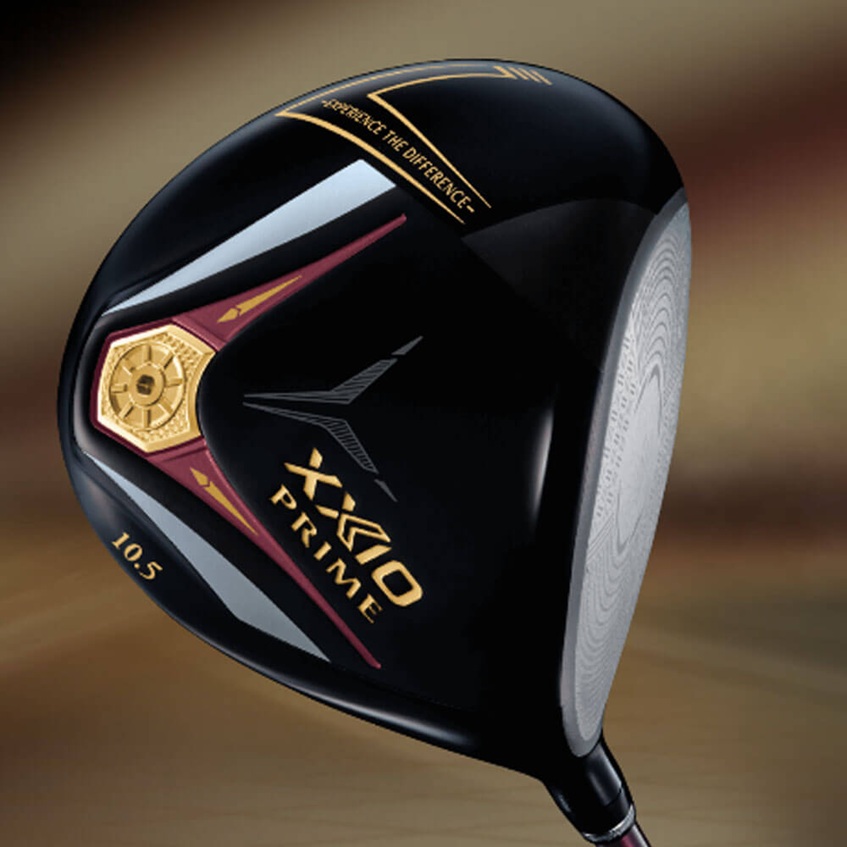
If you want to get more out of your shots, choose high-performance golf driver clubs. The right option can support greater ball speed, more consistent contact, and a launch that suits your swing, giving you a better chance of finding the fairway and setting yourself up for the next shot. Features such as forgiving clubhead designs, carefully engineered faces, and adjustable settings can also help you find a setup that works for your playing style.
Of course, not every golfer needs the same thing from their equipment. Some players prioritise distance, while others value forgiveness or greater control over their shots. That’s why choosing a model that matches your swing and skill level matters more than simply picking the most advanced option. With a well-suited club, you can build confidence off the tee and focus on playing your best golf.
What’s the Right Size?
What driver size should I get? The head size of your golf driver is worth considering, especially if you’re still getting comfortable with your long game. Heads are measured in cubic centimetres (cc), and the maximum permitted size under golf’s equipment rules is 460cc. Smaller heads are also available, with some experienced players preferring them for their feel and control. However, if you’re new to golf or want a little more help with off-centre hits, a 460cc model is often a sensible place to start.
One of the biggest advantages of a larger clubhead is the confidence it can give you when you address the ball. The broader appearance can make golf driver clubs more inviting, helping you settle into your stance without feeling like you need to make a perfect strike every time. Many larger-headed options also offer greater forgiveness, so mishits are less punishing than with a less forgiving club.
That said, head size alone doesn’t determine how easy a driver is to hit. Weight distribution, loft, shaft characteristics, and your own swing all influence performance. If possible, try a few models before buying to find one that feels comfortable and inspires confidence.
What’s It Made Of?
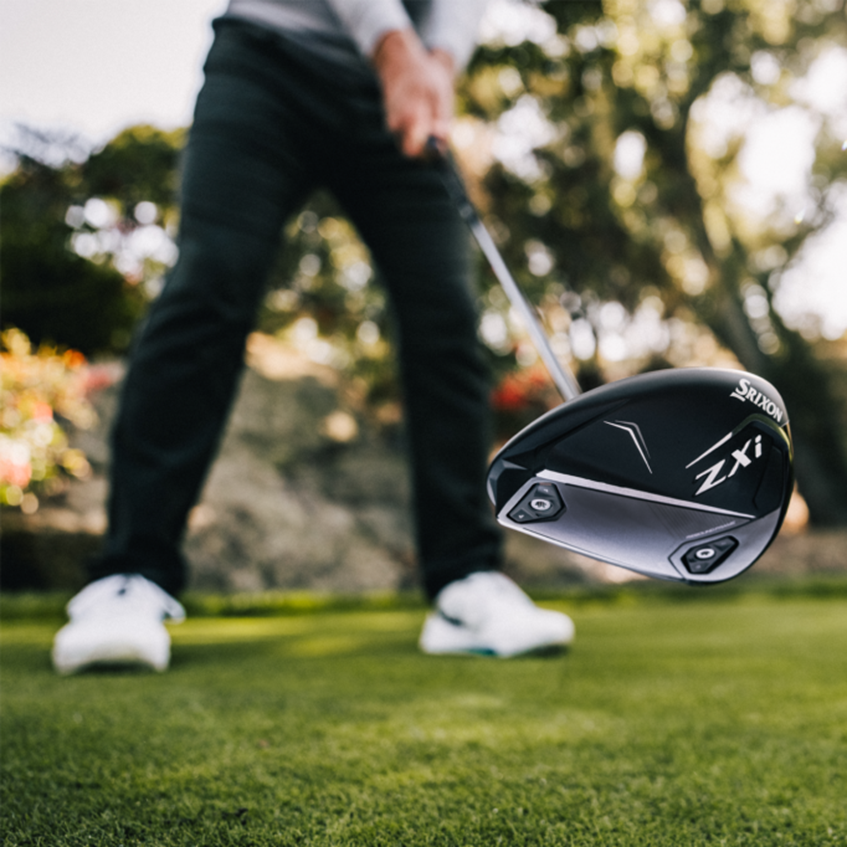
The appearance of a driver club can offer a few clues about its construction, but the materials used are also worth looking at. While traditional metal finishes remain popular, many newer models feature carbon panels that create a more modern look. These materials can also influence how the gear performs, including its weight distribution, stability, and potential for distance.
- Titanium: Lightweight and strong, titanium is widely used in club heads and faces. Its properties make it well suited to designs that aim to deliver speed and distance.
- Stainless steel: Found in some club designs, steel is durable but heavier than titanium, which can affect how weight is distributed within the head.
- Carbon fibre: Often used in the crown, carbon fibre weighs less than many metals, allowing manufacturers to redistribute saved weight elsewhere in the clubhead.
- Multi-material construction: Some modern options combine a carbon crown with a titanium face and other materials to balance weight, speed, and forgiveness.
So, which should you choose? Instead of judging equipment by the finish alone, consider how its construction supports your needs. A premium material doesn’t automatically guarantee better results, but the right design can help you find a club that feels comfortable and performs consistently with your swing.
Flex Type
The shaft plays an important role in how a golf driver feels and performs, so look for one that suits your swing. Flex refers to how much the shaft bends during the swing, and choosing the right option can help you make more consistent contact. While factors such as swing speed and technique also matter, these common flex categories are a useful starting point:
- Regular flex: A popular all-round option for golfers with a moderate swing speed.
- Stiff flex: Often suits players with faster swings who prefer a firmer feel.
- Senior or light flex: Generally designed for golfers with slower swing speeds who may benefit from a shaft that bends more easily.
Shaft length is another factor to consider. A longer shaft may help you generate more clubhead speed, but it can also make the driver harder to control. A slightly shorter shaft may feel easier to handle and help you find the fairway more consistently, even if you give up some potential distance.
The right gear feels comfortable and suits your swing. It doesn’t necessarily have the most impressive features. Take your time comparing head sizes, materials, and shaft options, and try a few models if you can. With the right fit, you’ll be better equipped to build confidence off the tee and enjoy your game.
Sorry, the comment form is closed at this time.