

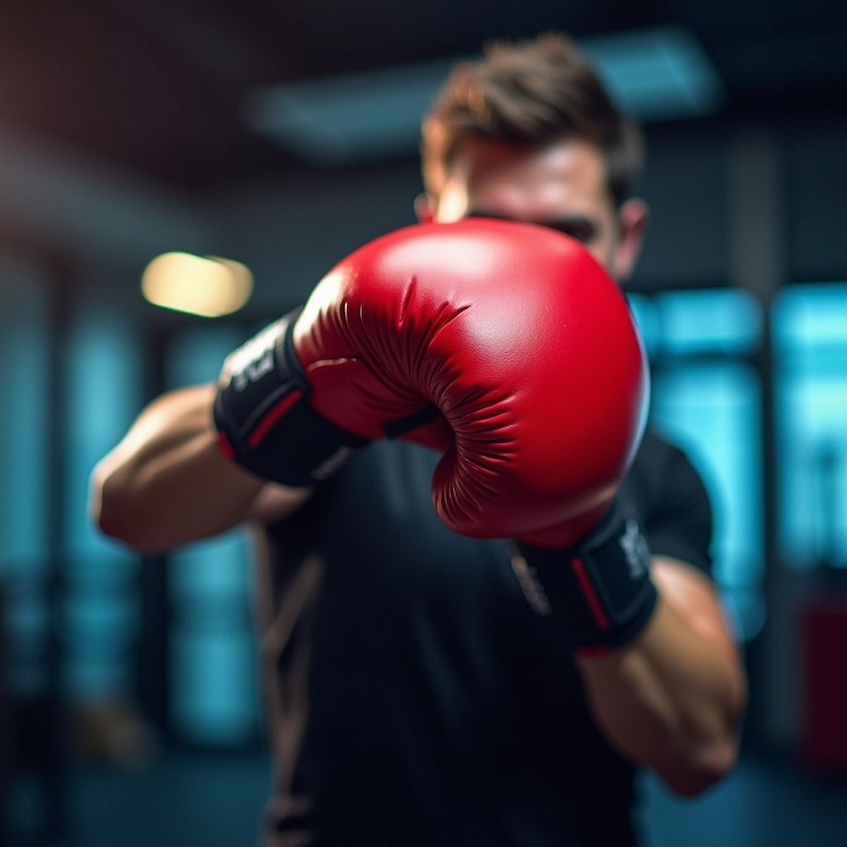
Equipping for Combat: Everything You Need to Know About Muay Thai Equipment
Muay Thai is a demanding combat sport built around powerful strikes, rapid movement, and full-body conditioning. Known as the “Art of Eight Limbs”, it incorporates punches, kicks, elbows, and knees, requiring athletes to develop strength, technique, timing, and resilience. Whether you’re stepping into a Muay Thai gym for the first time or preparing for competition, having the right equipment is an essential part of the journey.
Muay Thai equipment isn’t just about looking the part. Properly chosen protective gear helps reduce unnecessary injuries, protects your training partners during sparring, and allows you to practise techniques with greater confidence. From gloves and shin guards to Thai pads and hand wraps, every piece has a specific purpose. Understanding what you actually need makes it easier to build a practical kit without buying everything at once.
Contents
The Core Essentials
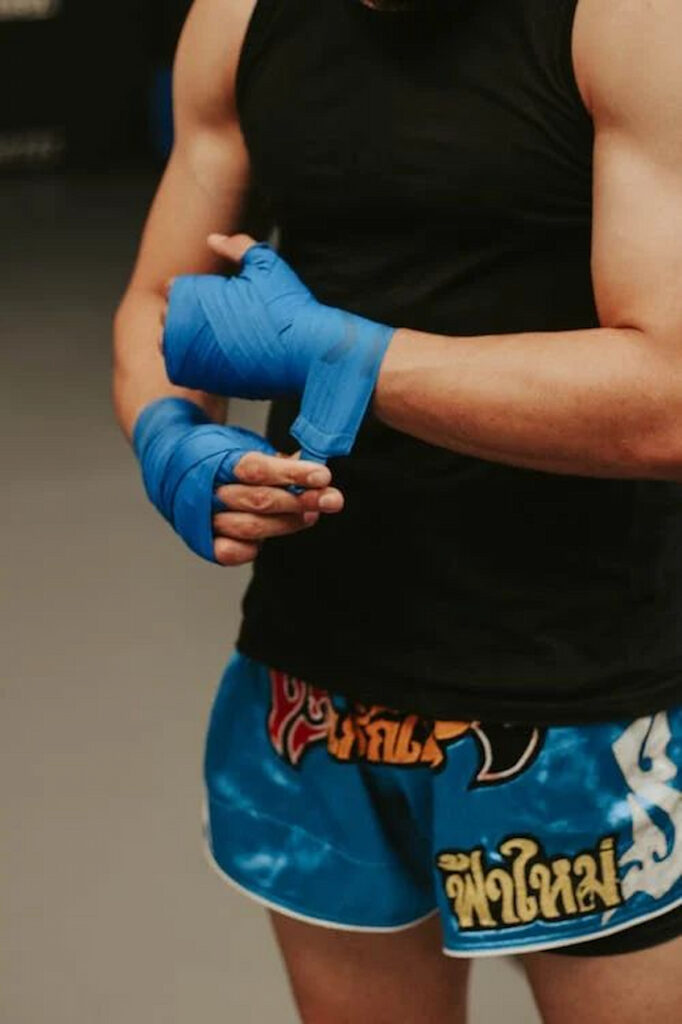
The foundation of any Muay Thai equipment essentials is personal protective equipment. The right gear should protect without interfering with technique, movement, or comfort.
Muay Thai Gloves
Gloves are arguably the most important item in your kit. Unlike general boxing gloves, Muay Thai gloves are designed with the sport’s broader range of techniques in mind. Their construction allows enough flexibility for clinching, catching kicks, and controlling an opponent while still providing padding for punches.
Different glove weights and designs are available for bag work, pad training, sparring, and competition. Beginners should follow their gym’s recommendations when selecting a size and weight, particularly for sparring where heavier gloves may be required to reduce impact.
A secure wrist closure is equally important. Velcro closures are convenient for training, while lace-up gloves can provide a more precise fit but generally require assistance to put on.
Shin Guards
Kicks are central to Muay Thai, which makes shin protection essential during training. Shin guards cushion impact when practising kicks, checking strikes, and sparring. A good pair should stay securely in place without sliding down the leg or restricting movement around the ankle.
Look for durable outer materials, sufficient padding across the shin and instep, and secure fastening systems. Well-fitting shin guards allow you to concentrate on technique rather than repeatedly adjusting your equipment.
Hand Wraps
Before putting on gloves, most Muay Thai practitioners should wrap their hands. Hand wraps provide additional support around the wrists, knuckles, and hands, helping stabilise the joints and distribute impact. They also absorb sweat inside the gloves, helping keep the interior cleaner.
Beginners may need some practice to develop a comfortable wrapping technique. Your coach can demonstrate an appropriate method and help ensure the wrap isn’t too tight or restrictive.
Mouthguards
A mouthguard is another important part of a protective kit, particularly for sparring. It helps protect the teeth and soft tissues of the mouth from accidental impacts. A properly fitted mouthguard should remain securely in position without making breathing or communication unnecessarily difficult. For regular training, choosing a quality, well-fitting guard is a relatively small investment that can provide valuable protection.
Headguards and Additional Protection
Depending on your gym and training intensity, additional protection may include headguards, groin protection, chest protection, or elbow pads. Not every training session requires every piece of equipment. Beginners should speak with their coach about what is appropriate for their level and the type of sparring being performed.
Training and Gym Equipment
Personal protective equipment protects the athlete, while training equipment helps develop the skills required for Muay Thai.
Focus Mitts
Focus mitts are smaller striking targets typically held by a coach or training partner. They are ideal for practising combinations, accuracy, timing, defensive reactions, and movement. Because the holder can change angles and positions, mitt work can feel much closer to a live exchange than repeatedly striking a stationary bag.
Thai Pads
Thai pads are larger and thicker than traditional focus mitts, allowing athletes to practise punches, kicks, knees, and elbows with greater force. Their substantial padding protects the holder while giving the striker a realistic target. Coaches can use Thai pads to build combinations, practise defensive responses, develop conditioning, and simulate the rhythm of an actual fight. A sturdy pair of Thai pads is therefore a valuable investment for coaches and gyms looking to create versatile training sessions.
Belly Pads
Belly pads allow coaches and training partners to safely receive body punches and knees. They are particularly useful when practising powerful combinations because the additional padding allows the striker to generate realistic force without causing unnecessary discomfort to the holder.
Together, focus mitts, Thai pads, and belly pads form the foundation of much of the technical work performed in a Muay Thai gym.
Apparel and Accessories
While protective equipment gets most of the attention, appropriate clothing and accessories can make training considerably more comfortable.
Muay Thai Shorts
Traditional Muay Thai shorts are designed specifically for unrestricted movement. Their short length and wide leg openings make it easier to perform high kicks, knees, and other techniques without fabric restricting the hips or thighs. Modern designs range from traditional Thai-inspired patterns to minimalist contemporary styles. Choose a secure waistband and a comfortable fit that stays in place during movement.
Ankle Supports
Ankle supports can provide light compression and additional support during training. They may also help keep the ankles warm and provide a small degree of protection against friction. However, they should never be considered a replacement for proper technique, conditioning, or medical support when an injury is present.
Gym Bags and Hygiene Accessories
A durable gym bag becomes increasingly useful as your collection of Muay Thai training gear grows. Look for enough ventilation and storage space to separate sweaty clothing, gloves, wraps, and protective equipment.
Hygiene should be treated as part of your equipment routine. Allow gloves and shin guards to dry thoroughly after training, wash hand wraps regularly, and clean protective equipment according to the manufacturer’s instructions. Taking care of your gear can extend its useful life and help prevent unpleasant odours and bacterial buildup.
Building Your Muay Thai Kit
You don’t need to purchase every possible piece of Muay Thai training equipment on your first day. For beginners, the most important items are generally gloves, hand wraps, shin guards, and a mouthguard, with additional protection added according to the requirements of your gym and training style.
As you gain experience, you may want to expand your kit with personal Thai pads, focus mitts, a belly pad, specialised apparel, and additional protective equipment. Your coach can help you determine what is genuinely useful rather than encouraging you to buy equipment you may rarely use.
It is also worth prioritising fit and quality over appearance. A flashy piece of equipment that moves around, feels uncomfortable, or provides inadequate protection won’t improve your training.
To Sum Up
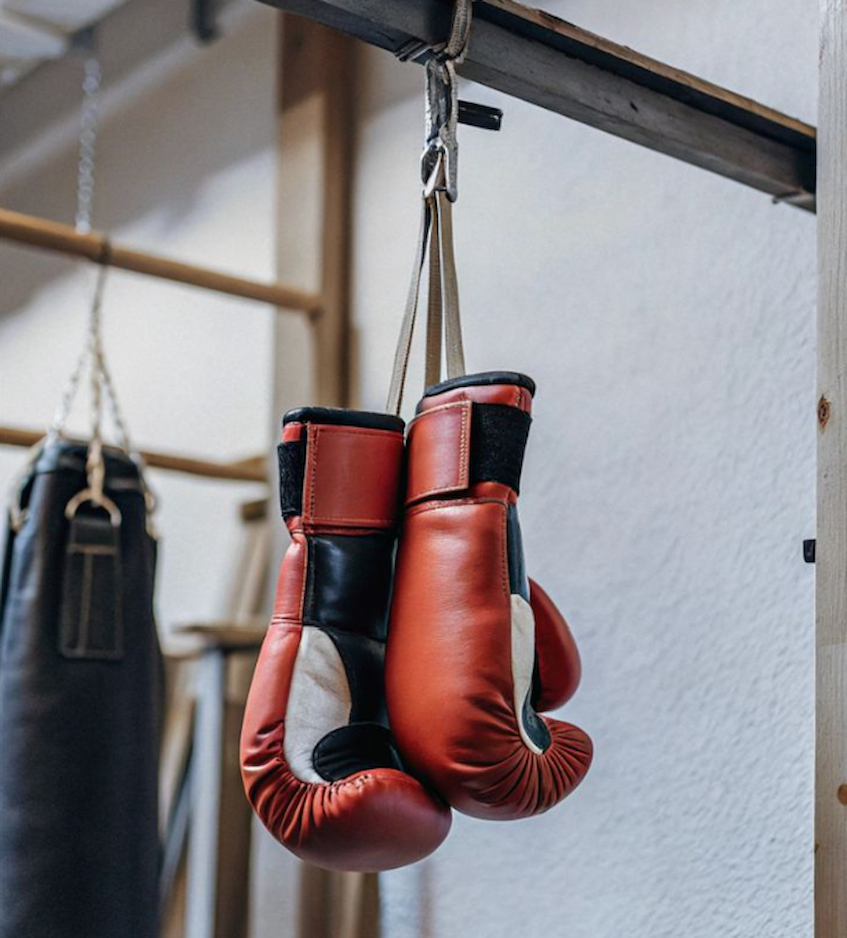
The right Muay Thai equipment is an investment in safety, performance, comfort, and longevity. Gloves protect your hands, shin guards make repeated kicking safer, wraps provide essential support, and a mouthguard offers valuable protection during contact. Meanwhile, training tools such as Thai pads, focus mitts, and belly pads help develop the timing, accuracy, power, and combinations that make Muay Thai such a dynamic sport.
Sorry, the comment form is closed at this time.