


Everything You Need to Know About Motorbike Lifts
Every rider knows the frustration of trying to clean a chain or swap out tyres while wrestling with a bike that won’t stay put. Balancing on car jacks or makeshift stands isn’t just annoying, but more like a fast track to scratched paint and bruised shins.
That’s why it makes sense to get durable and responsive motorbike lifts that are built for the real-world struggles riders face. Whether you’re fine-tuning your suspension or just scrubbing off the weekend’s mud, a proper lift turns sketchy guesswork into smooth, secure progress.
Contents
- 1 Why Lifting Matters for Every Rider
- 2 What Are Motorbike Lifts and Why Do They Matter?
- 3 A Closer Look: How Lifting Solutions Work
- 4 Choosing the Right Bike Lift for Your Needs
- 5 Spotlight: The Benefits of a Quality Lifting Solution
- 6 Tips for Safe and Effective Lifting
- 7 Other Options and Final Thoughts
Why Lifting Matters for Every Rider
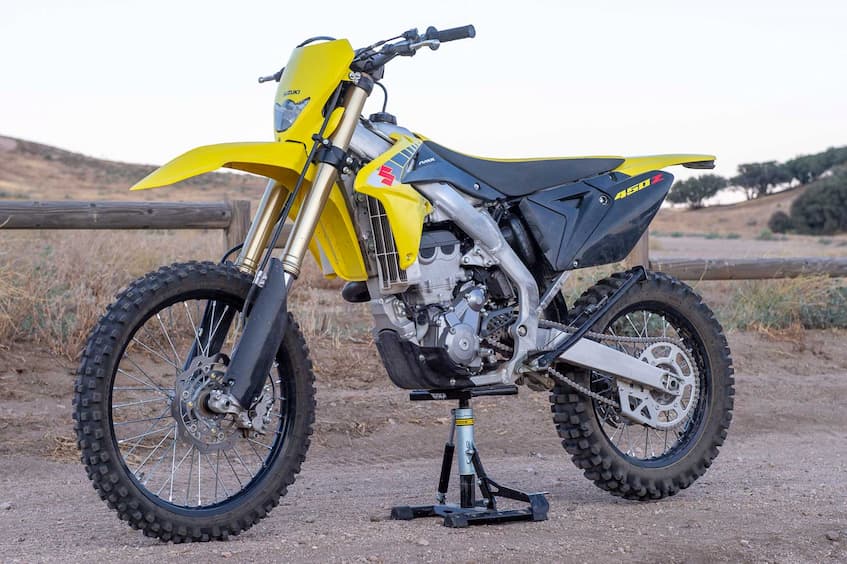
If you’ve ever tried to clean, service, or inspect your bike at home, you’ll know that getting it off the ground safely is no small feat. Whether you’re a weekend tinkerer or a seasoned rider, lifting a heavy bike without risking a topple or injury is a challenge many face. The right equipment transforms a tricky job into a straightforward, even enjoyable, part of your riding routine.
There’s something empowering about working on your bike, but it’s also important to do it safely. Many riders start out using improvised solutions: wooden blocks, car jacks, or the help of a mate. But these methods can be risky and unreliable. That’s why proper lifting equipment isn’t just a luxury for professionals; it’s a smart investment for anyone who wants to care for their bike and themselves.
What Are Motorbike Lifts and Why Do They Matter?
Motorbike lifts are specialised platforms or devices designed to raise your bike off the ground, giving you easy access to all those hard-to-reach spots. They’re not just for mechanics; anyone who wants to keep their ride in top shape can benefit from having one in their garage. Without a proper lifting solution, even simple tasks like changing oil, cleaning the chain, or inspecting tyres can turn into a balancing act.
Having a stable and secure way to elevate your bike isn’t just about convenience; it’s also about safety. Trying to balance a bike on a makeshift stand or the side stand can lead to accidents, scratched paintwork, or worse. With the right lifting solution, you can work confidently, knowing your bike is safely supported.
A Closer Look: How Lifting Solutions Work
These devices use sturdy materials, like heavy-duty steel frames, reinforced joints, and anti-slip surfaces, to provide stability and safety. Many feature hydraulic or mechanical systems that make lifting a breeze, even for heavier bikes. The design is all about balance: wide bases prevent tipping, locking mechanisms keep everything secure, and adjustable platforms mean you can work on a variety of bike styles and sizes. The best bike lifts are built to last, with powder-coated finishes to resist rust and wear, and thoughtful touches like wheels for easy manoeuvring.
Some models are designed for portability, making them easy to move around the garage or take with you to events. Others are more permanent fixtures, offering larger platforms and extra features for those who do a lot of work at home. Regardless of style, the key is robust construction and user-friendly operation, ensuring that lifting your bike is always safe and straightforward.
Choosing the Right Bike Lift for Your Needs
Start by considering your bike’s weight and wheelbase. Some lifts are made for smaller road bikes, while others can handle hefty cruisers or adventure machines. Think about how much space you have in your garage: do you want something compact that tucks away, or a full-size bench for serious work? There are manual options that use simple levers or foot pedals, as well as powered models with hydraulic or even electric systems for effortless lifting. If you’re not keen on pumping a pedal, there are powered alternatives that make the job even easier.
It’s also worth considering the type of work you’ll be doing. If you only need to lift your bike occasionally for cleaning or basic maintenance, a simpler, more affordable model might be ideal. But if you’re planning on doing more involved repairs, like suspension work or engine servicing, a sturdier, more versatile lift will serve you better in the long run.
Spotlight: The Benefits of a Quality Lifting Solution
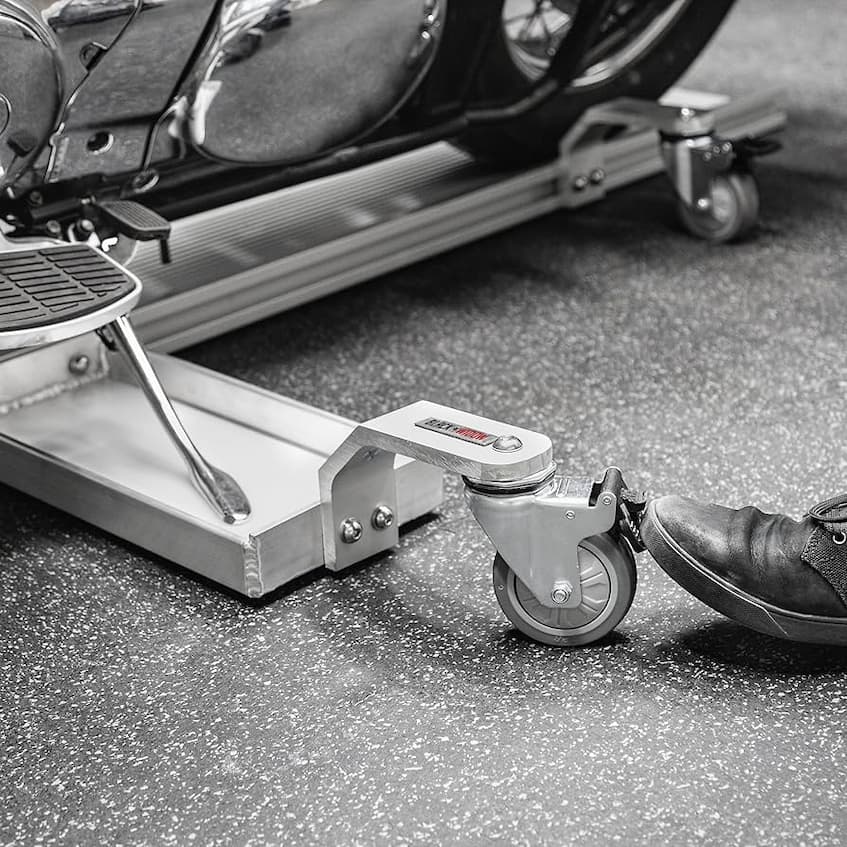
With your bike securely raised, you can tackle maintenance jobs with confidence, knowing you’re not risking a fall or a strain. Cleaning becomes quicker, repairs are simpler, and you can spot issues before they turn into expensive problems. Quality lifts are designed with safety in mind, featuring locking bars, safety pins, and stable platforms that keep your bike exactly where you want it. Plus, they’re built to handle repeated use, so you can rely on them for years to come.
For those who spend a lot of time working on their bikes, the difference is night and day. No more crouching on the floor or struggling to reach awkward angles. Everything is at a comfortable height, reducing fatigue and making the whole process more efficient. And because your bike is stable and secure, you can focus on the task at hand, whether that’s a quick clean or a full strip-down.
Tips for Safe and Effective Lifting
Always check the weight rating of your lift before use, and make sure your bike is centred and balanced on the platform. Use all the safety features provided, i.e. locking mechanisms, straps, or wheel chocks, to prevent any movement while you work. Keep the area around your lift clear to avoid tripping hazards, and never rush the process. Regularly inspect your lifting device for signs of wear, especially on moving parts and locking pins, and give it a quick clean after each use to keep it in top condition.
If you’re new to using a lift, take a few minutes to read the instructions and get familiar with the controls. Practice raising and lowering the platform with the bike on it, and don’t be afraid to ask for advice from more experienced riders. A little preparation goes a long way towards ensuring a safe and smooth experience.
Other Options and Final Thoughts
If a full-size lifting platform isn’t quite right for you, there are other ways to get your bike off the ground. Some riders prefer simple stands or ramps, which can be easier to store and quicker to set up for basic jobs. These alternatives are great for lightweight bikes or for those who only do occasional maintenance. However, for anyone who spends a lot of time working on their bike, a sturdy, adjustable lift offers unmatched comfort and safety. It’s all about matching the tool to your needs and making your maintenance routine as smooth as possible.
Sorry, the comment form is closed at this time.