


From Surplus to Sales: How to Turn Excess Stock into Cash
Excess inventory can quickly become a business problem. Stock takes up valuable warehouse space, ties up capital, and becomes harder to sell the longer it sits around. Whether it comes from over-ordering, cancelled orders, seasonal changes or a shift in demand, surplus stock needs a strategy. The good news? You don’t necessarily have to write it off. With the right approach, you can convert excess inventory into profit while freeing up space and resources for products that are actually moving.
Contents
Consider a Managed Bulk Inventory Clearance Service
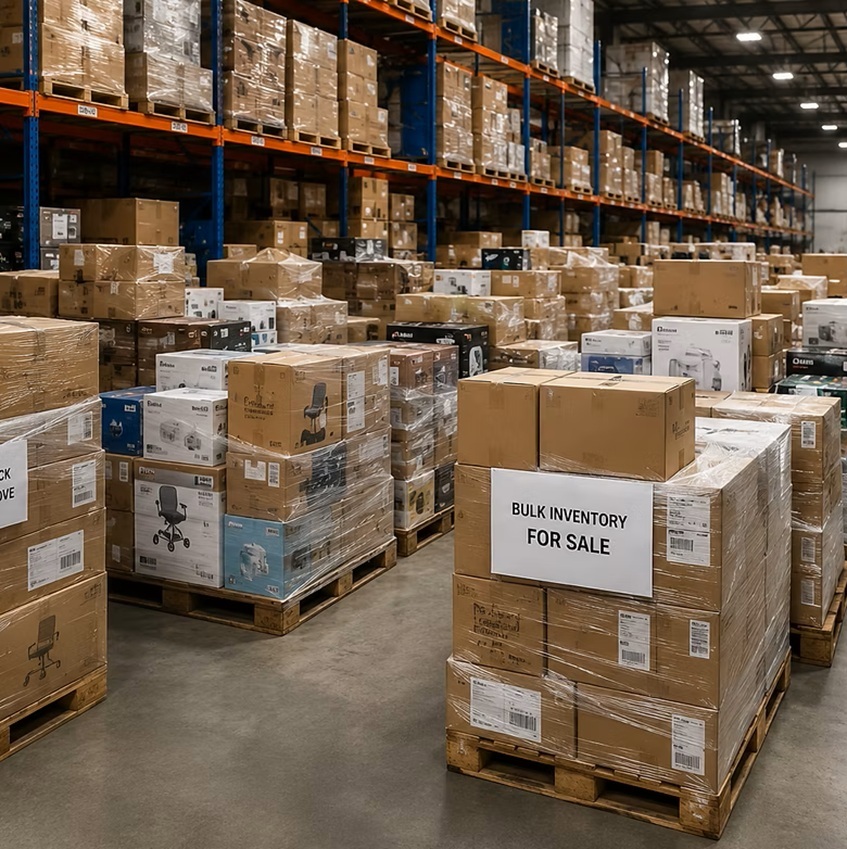
When excess inventory reaches pallet or container scale, selling it off can become a logistical headache. Finding suitable buyers, negotiating prices, arranging distribution and protecting your existing sales channels all take time and resources. So, simplify the process by handling the strategy of moving large quantities of stock with a trustworthy bulk stocks clearance services. Rather than relying on a single buyer to purchase everything at a heavily discounted rate, businesses can explore a more structured approach that distributes inventory through multiple sales channels.
This can be particularly useful for cancelled wholesale orders, seasonal overruns, warehouse consolidations, discontinued ranges or production excess. A managed bulk buyer can assess inventory data, SKU quantities and available stock before developing a clearance strategy suited to the products and target markets. This approach can also help prevent the local market from being flooded with discounted goods that compete directly with your regular retail operations.
Geographic controls and different distribution channels may allow certain products to be redirected away from your core customer base while still giving them a route to market. Another advantage is minimising the administrative burden on your team. Instead of managing individual enquiries and sales across multiple channels, the service can coordinate transactions, customer support and order flow while your business continues dispatching stock from its warehouse.
Before choosing a provider, consider how transparent their reporting is, where your products will be sold, how pricing is determined and whether you retain control over distribution. The right solution should do more than remove unwanted stock; it should help turn idle inventory into recovered capital while giving you greater control over how the clearance is managed.
Assess What the Stock Is Worth
Before you start negotiating with bulk buyers, work out what your excess inventory is actually worth. A common mistake is to judge bulk stocks solely by their original purchase price. That figure may no longer reflect its current market value, particularly if the products are seasonal, discontinued, overstocked or approaching the end of their selling cycle.
Start by reviewing the quantity, condition and age of every SKU. Separate current, in-demand products from slow movers and items with damaged packaging or incomplete components. Then consider the realistic selling price rather than the price you once charged. Check comparable products, current retail prices and recent sales performance to establish a sensible benchmark.
Your stock may also have different values depending on how it is sold. A large quantity offered as one wholesale lot will usually be priced differently from individual units sold through retail channels. Factor in storage costs, handling, fulfilment, marketplace fees and potential discounts when calculating what you could realistically recover.
For substantial volumes, consider getting an independent valuation or speaking with specialist bulk-stock buyers. An experienced service can assess entire inventory and identify opportunities to recover more value without allowing clearance pricing to undermine your regular sales. Most importantly, set a clear minimum acceptable return before negotiations begin.
Don’t Ignore Slow-Moving Inventory

Slow-moving stock can look harmless when it occupies only a few shelves, but the costs can quickly add up. Every product that sits unsold ties up cash, consumes valuable warehouse space and may become harder to sell as newer ranges enter the market. Waiting for demand to return can therefore cost more than accepting a sensible clearance price.
Start by identifying products that consistently fall below your expected sales rate. Look for ageing SKUs, discontinued lines, seasonal products and ranges that no longer meet customer demand. Instead of allowing these items to remain in storage indefinitely, consider whether they could be moved to bulk sales or alternative distribution channels.
The goal is not necessarily to achieve the original retail price. It is to recover as much usable capital as possible while freeing space for products with stronger potential. A managed clearance approach can also help move larger quantities without forcing your regular sales channels to compete against heavily discounted stock.
Acting early gives you more options. The longer inventory remains stagnant, the greater the risk that its market value, relevance and profitability will continue to decline.
Prevent the Problem from Happening Again
Clearing excess inventory is useful, but preventing the same problem from returning is even better. Once a clearance is complete, look at why the stock accumulated in the first place. Over-ordering, inaccurate demand forecasts, seasonal fluctuations, cancelled orders and slow-selling product lines can all leave a business holding more inventory than it can realistically move.
Use sales data to identify which products consistently perform well and which become stagnant. Adjust purchasing quantities accordingly and avoid automatically reordering products simply because they have sold in the past. For seasonal goods, plan purchases around realistic demand rather than optimistic projections.
It also helps to establish regular inventory reviews. Monitoring stock levels, sales velocity and ageing SKUs allows you to spot potential problems before warehouse space becomes overloaded. Set clear thresholds for when products should be discounted, bundled, promoted or moved into a bulk clearance strategy.
Sorry, the comment form is closed at this time.