


How to Keep Your Children Healthy With the Right Supplements
Improving the immune system naturally is one of the best things one can do, unfortunately, this isn’t enough on its own, especially for children. While drinking tea, eating healthily, getting enough sleep, and spending more time in nature are great for growth, this isn’t enough to support optimal health and overall well-being. The importance of keeping children healthy
Contents
Do Kids Really Need Vitamin Supplements?
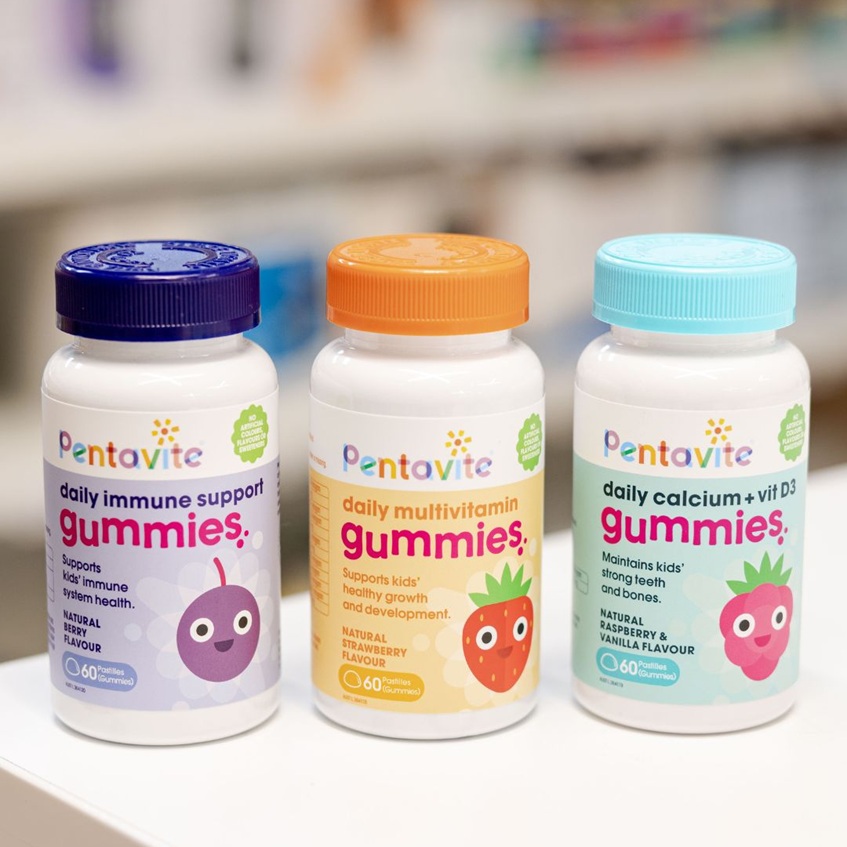
Children, especially in early ages, need an additional dose of children’s supplements simply because they cannot obtain all the nutrients they need through food and healthy habits. No matter how parents try, it’s super normal that kids don’t like all kinds of food, like fish, for instance. And since fish is the main source of omega-3 fatty acids, replenishing its use must be done with the help of a kids’ supplement.
Not to mention that the children’s nutritional needs are in higher demand than those of adults because of their rapid growth, immune system maturation and brain development. During their growth, kids require supplements or a certain amount of a kids’ supplement to help them grow healthy, alongside a varied and nutritious diet. Whether talking about constant fatigue, poor focus and concentration, frequent colds or slow wound healing, there’s a kids’ supplement for every one of these needs.
What Supplements Should a Kid Take?
The type of supplement a child needs usually depends on their personal health and overall well-being. However, during their growth, they do need certain types in order to help them develop properly. But the most common vitamin deficiency in children is that of the good old omega-3 fatty acids, as mentioned above, Vitamin D and some essential minerals. Unfortunately, this is all due to the reduced outdoor play, selective food choice and the huge amounts of processed food.
Vitamin D
This vitamin is one of the most important ones for everyone, in fact, not just children. It plays a crucial role in how the body absorbs calcium, in bone development, and in the overall immune system. Many children, especially those with darker skin tones and those who spend limited time outdoors, may find themselves in a serious vitamin D deficit, as their bodies cannot obtain the needed amount naturally. That’s the main reason why doctors recommend the use of vitamin D supplements.
The recommended dosage for infants is 400 IU daily, while children over one year should consume 600 IU. However, those who are with high vitamin D deficiency should take higher doses after consulting with a pediatrician. In fact, only a doctor can diagnose whether a child has a vitamin D deficit or not, so consulting with one is the best you can do for the health of your child. Generally speaking, the symptoms of a Vitamin D deficiency are frequent illness, bone pain, delayed tooth development, and muscle weakness.
Omega-3
The ‘good old’ omega-3 fatty acids are one of the most essential fatty acids for brain development and cognitive support, making them the most essential ones, especially during the early years when neural connections form rapidly. Speaking of which, the DHA (docosahexaenoic acid) and EPA (eicosapentaenoic acid) are the most beneficial omega-3 fatty acids for this purpose, and studies show that the needed amount of omega-3 use may improve concentration, focus, memory, and learning capacity in children.
Being extremely helpful in improving brain development and cognitive skills, these essential fatty acids can also support the development of children with attention-related challenges, whether it’s ADHD or autism. Depending on the age of your child, the dosage of these fatty acids goes between 100-500mg of combined DHA and EPA daily and on the dietary omega-3 intake on a daily.
Vitamin C
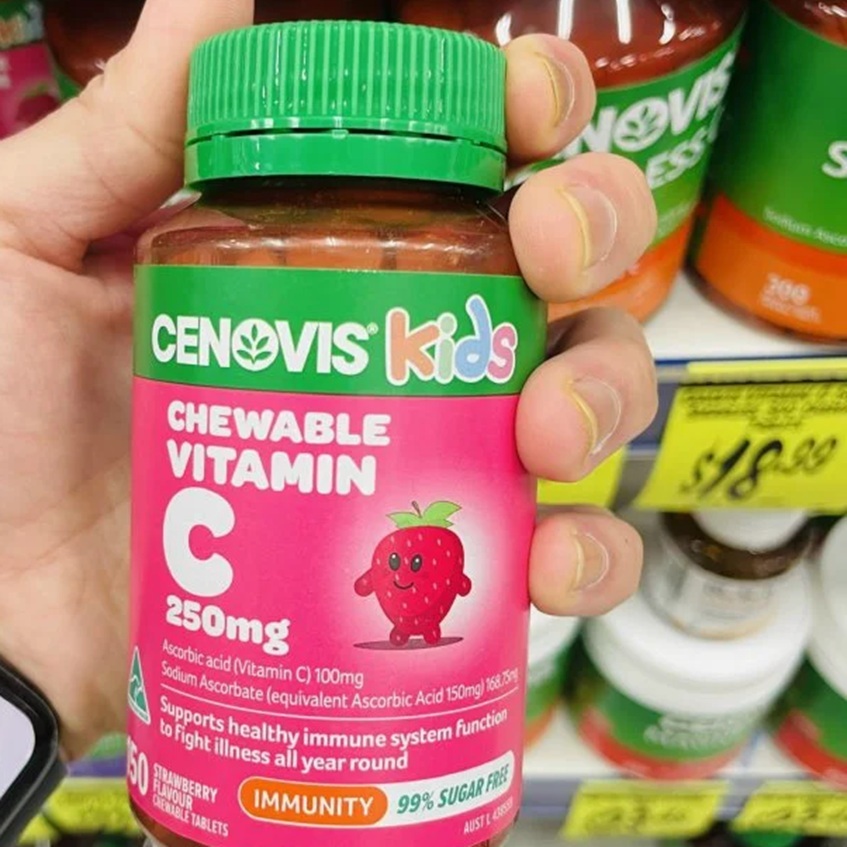
Another popular but most importantly essential vitamin for children is Vitamin C. According to medicine, this essential vitamin is crucial for children’s growth and health. Vitamin C is essential for good immune function, collagen production for healthy bones and skin, and for healing and iron absorption.
This is one of those vitamins designed to protect the body from infections by improving the function of white blood cells in the body. It’s also great for building and repairing cartilage, teeth, bones and for enhancing the body’s ability to absorb iron and prevent anemia. The recommended dose for children depends on their age and current needs, so consulting with a pediatrician is needed to understand the right dosage for your child.
Vitamin K
Vitamin K is just another fundamental vitamin, but mainly for babies, and it’s usually combined with vitamin D. Vitamin K is very much needed for preventing VKDB – Vitamin K Deficiency Bleeding, which is a dangerous condition, and a fatal one in rare cases.
What many parents might not know is that babies are born with extremely low levels of vitamin K, which is essential for blood clotting. This risk continues until they start eating solid food, usually around 6 months, so throughout this period, they need to take vitamin K orally, in case they haven’t received an injection upon their birth.
Sorry, the comment form is closed at this time.