


Making the Right Choice: Tree Stump Removal and Grinding Explained
So, you’ve cut down a tree, and now you’re stuck with the stump. What’s the move: grind it down, rip it out, or just leave it be? Each option has its own benefits and disadvantages, and the right choice really depends on your plans, your budget, and how much you care about the look of your yard. This guide breaks it all down in plain, simple terms so you can figure out what works best for you.
Contents
Stump Removal vs. Grinding
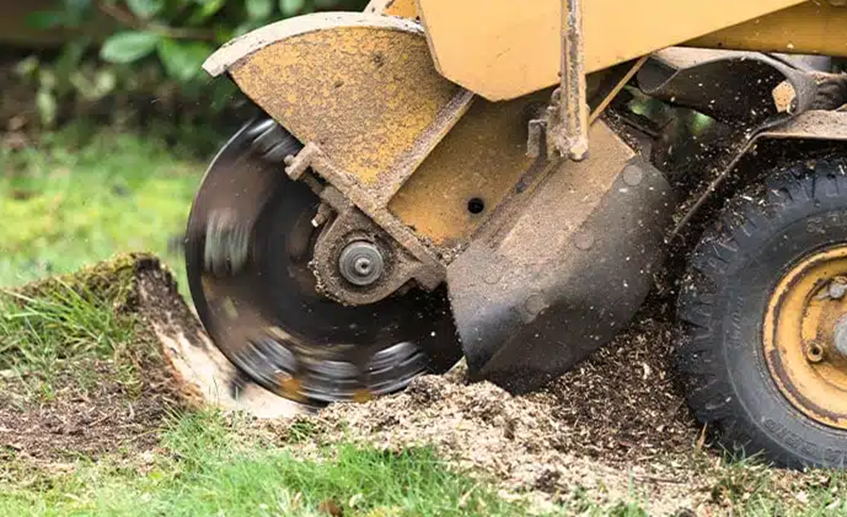
Trees give shade, clean air, and are beautiful to look at. But when their roots damage your property or the tree itself becomes hazardous, removal may be necessary. Afterwards, stumps remain and need attention. That’s where tree roots removal services come through. You can either choose stump grinding or full removal to restore your yard and prepare the ground for future use.
Stump Grinding
Stump grinding is basically the process of using a specialised machine that grinds the stump from 15 to 30 centimetres below ground level. The grinder reduces the wood into small chips, which can either be left to decompose as mulch or completely removed.
This means the visible part of the stump is gone, and roots that remain underground will naturally decompose over time. The area can later be covered with grass, plants, or landscaping.
Equipment Used
For stump grinding, the equipment can be anything between a small, handlebar-operated grinder and a large, self-propelled machine. Regardless of their size, they all work by using a spinning cutting wheel that chews through the stump and surface roots, turning them into tiny wood chips.
Benefits
The tree stump grinding service takes one to three hours, depending on the size of the stump. Not only is it quick, but it’s also cost-effective compared to complete tree root removal. It causes minimal disruption to the surrounding soil, and the leftover wood chips can be repurposed as mulch, making cleanup simple and environmentally friendly.
Disadvantages
There is a chance that if deeper roots remain in the ground, certain tree species may regrow. It also may not be the best option if you plan to build something over it or replant in the same spot.
Stump Removal
The tree stump removal service is a more intensive process. It involves digging out the entire stump along with its root system. This way, you’re making sure that no part of the tree remains underground.
Equipment Used
Stump and root removal may require heavy machinery such as backhoes or excavators, depending on their size and depth. If you’re dealing with a younger, smaller tree, the stumps can sometimes be removed with manual tools like shovels, chainsaws, and axes. The process leaves behind a large hole that must be filled with soil or other material.
Benefits
The main advantage of tree roots removal is complete elimination. There is no chance of regrowth, which is ideal if you are preparing the land for construction, driveways, or planting something else in the same location.
Disadvantages
The whole process is more expensive than stump grinding. It also takes longer, four to eight hours to say the least, and disrupts the surrounding soil.
By considering your long-term plans for your property, you can pick the solution that fits best and keep your landscape looking exactly how you want it to.
What Happens If You Leave a Stump in the Ground?
When you chop down a tree, the stump doesn’t just disappear. Sure, it’ll eventually rot, but that can take years. In the meantime, it takes up space in your yard, looks pretty ordinary, and might even invite fungi to move in. Some folks feel fine leaving it be, but honestly, it’s a choice with both upsides and downsides.
Advantages
The main and clear advantage is saving money. By skipping stump removal service, you can save up and put that money in other landscaping projects. A stump can also become a shelter for insects, fungi, and even small animals, which can add biodiversity to your garden.
Over time, the stump will break down, and as it does, it feeds the soil with nutrients, enriching it for surrounding plants. Some people even plant flowers or shrubs around the stump, turning it into a quirky centrepiece for the garden.
Disadvantages
On the downside, stumps can be an obstacle and make mowing or landscaping a bit more difficult. They may attract unwanted pests that can be a potential threat to the other healthy plants or structures. The slow decomposition process also means the stump will linger for years, limiting how you use that space.
At the end of the day, if you don’t mind the look and want to save money, leaving a stump works just fine. But if you prefer a clean, usable yard, removing it is the better choice.
Factors to Consider When Deciding
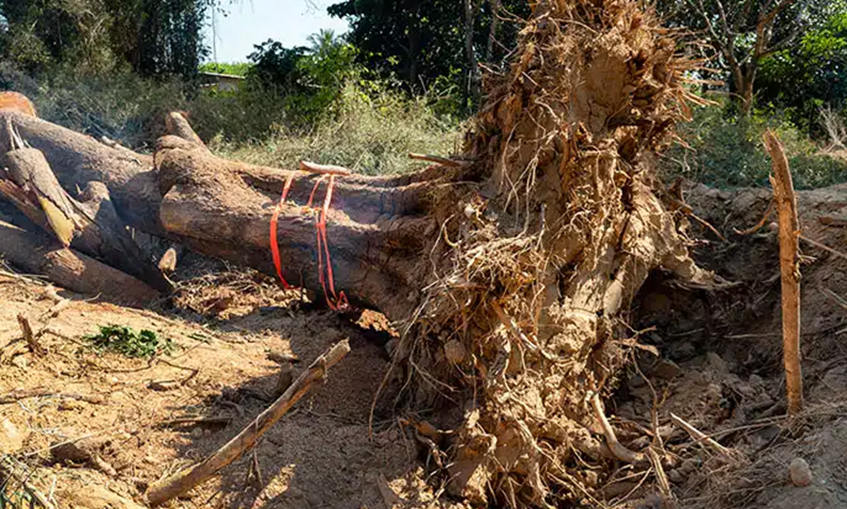
When you’re trying to figure out what to do with a stump: grind it, pull it out, or just leave it, you’ll want to keep a few practical things in mind. Taking these into account, choose the option that actually works for your yard and your plans. Consider:
- Location of the stump: If it’s sitting in the middle of a pathway or near where kids play, tree roots removal is the safer bet. But if the stump’s off to the side and not in anyone’s way, leaving it won’t be a big deal.
- Tree size and species: It’s best to remove big stumps or trees with stubborn roots completely to stop them from sprouting back.
- Soil and terrain: When you’re dealing with rocky or compacted soil, you can expect the removal to be tougher, while loose soil makes everything a lot easier.
- Future landscaping plans: If you’re planning to plant new trees, shrubs, or build something new over it, clearing it gives you a clean slate. If not, letting it break down naturally will be fine.
- Budget and time: Grinding is faster and cheaper, ideal if you’re working with a tight budget or want quick results.
- Environmental impact: Grinding is gentler on the soil, while removal leaves a big hole that you’ll need to fill.
Choose what works best for you. If you’re still on the fence, chatting with a stump grinding and removal professional can be of great help.
Final Thoughts
That stump behind your house is your call. You can grind it, pull it out, or just let it sit there and slowly fade away. Think about what fits your yard, your plans, and your budget, and then go with the option that feels right for you.
Sorry, the comment form is closed at this time.