

Rubber Mats 101: Where They Work Best and How to Fit Them
Have you ever noticed that soft, slightly grippy floor under your feet in your gym, garage, or on a children’s playground? That’s a rubber mat doing its job. They’re one of those things you don’t pay attention to until you need one, and then you start seeing them everywhere.
Rubber mats come in plenty of types and suit a whole bunch of different uses. With the right pick and due to their flexibility, you can make them work in just about any space.
Contents
What Are Rubber Mats?
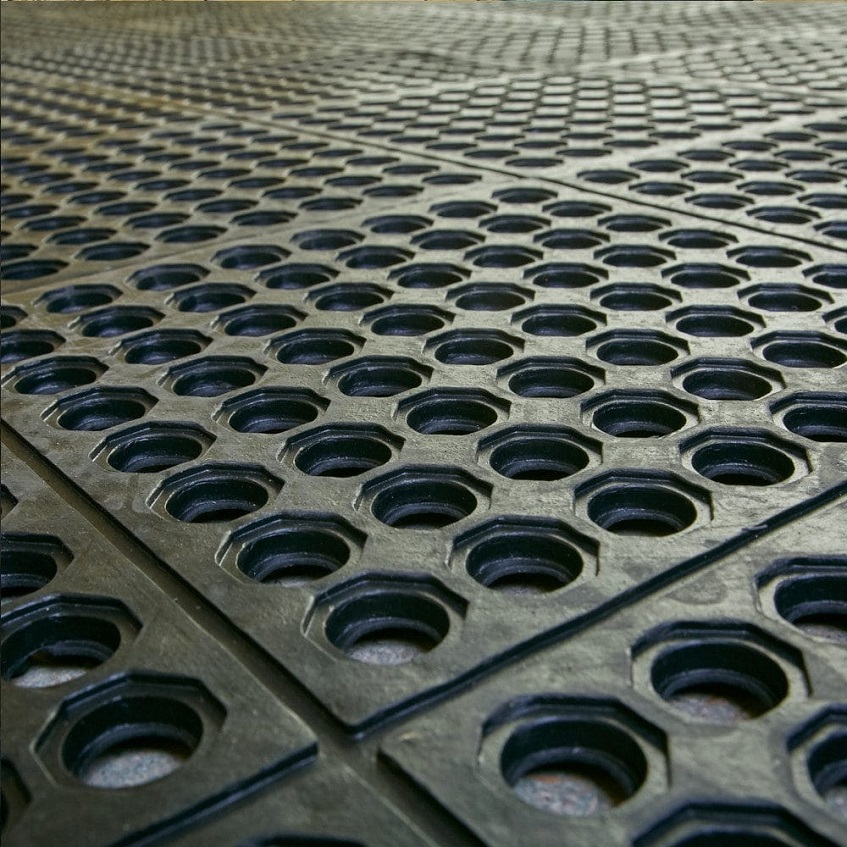
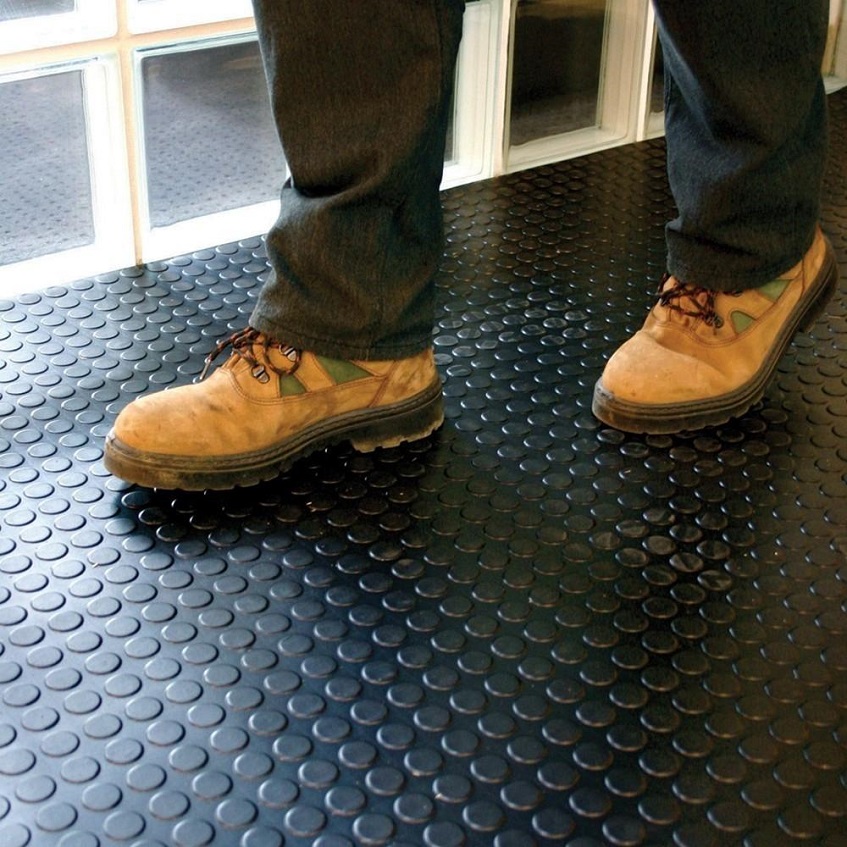
A rubber mat is a thick, tough floor covering made from either natural rubber or recycled rubber. Today, they’re available in all sorts of sizes, thicknesses and textures. Some are small anti-fatigue mats for the kitchen, and others are heavy-duty gym mats that can handle a dropped barbell without blinking. You can just type the term into a search bar online, and you’ll quickly see how wide the range is.
Unlike soft foam, rubber has real weight and structure. It doesn’t flatten out under heavy loads, yet it still feels cushiony and offers stability, which is why you’ll see it in so many places.
Natural Rubber
This one comes from the sap of rubber trees. It’s got great stretch, grip and impact absorption, and it’s not greatly affected by hot or cold weather. If you’re after grippy mats in rubber, the natural stuff is hard to beat, and you’ll find it in plenty of gyms and workshops. It costs a bit more than the other types and smells pretty strong at first, but it’s the most eco-friendly pick of the bunch.
Recycled Rubber
This is the most commonly used one. You’ll see it most often in commercial spaces, garages and playgrounds. It’s made from old tyres and other rubber products, so it’s much more affordable, tough and kind of good for the planet too. You can spot it easily because it’s speckled, often with coloured flecks through it.
Synthetic Rubber
Synthetic rubber comes in a few variants, and each is good at something different. For instance, EPDM handles sun and weather, so it’s great for outdoors. Neoprene doesn’t have issues dealing with oils and chemicals, which makes it a good fit for workshops and industrial spots. And if you can’t make a decision, SBR is the all-rounder that does a decent job without costing much.
Vulcanised Rubber
This is the premium stuff. It’s been heat-treated so it ends up super dense and lasts for ages. You’ll find vulcanised rubber tiles in sports facilities. They cost more upfront, but they last longer and perform better than your standard rubber.
Pick the one that matches your space, and you’ll have a floor that lasts for years.
Where Is Rubber Matting Used?
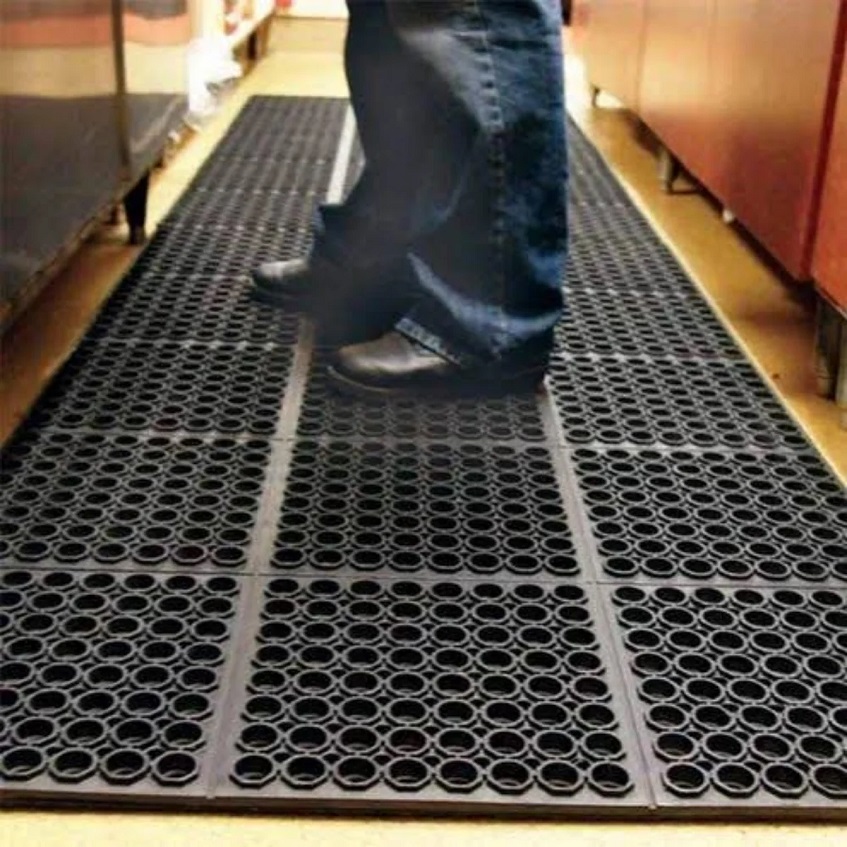
Rubber mats turn up in way more places than you’d think. Here’s where you’ll see them put to work.
- Stable matting: If you’ve got horses or livestock, mats rubber base can protect your animals from cold, damp concrete and go easy on their joints.
- Anti-fatigue mats: For those working on their feet all day, standing on these anti-fatigue mats can be helpful.
- Cars: You can install them on the floor of your vehicle to protect it from mud, sand and spills, then pull them out and hose them clean.
- Swarf mats: They catch metal, plastic and wood shavings in your workshop so you’re not slipping around.
- Gym mats: You can drop your weights without wrecking the floor, and the mat soaks up the noise too.
- Commercial kitchens: They cope with spills and grease, and you can easily clean them at the end of a shift.
- Playgrounds: They cushion the kids when they take a tumble, so everyone’s a bit less stressed.
- Outdoor doormats: You wipe your shoes on them before entering your home, and they scrape off the mud, grit and snow to get inside.
Whether it’s the garage, the shed or the backyard, you can use a rubber mat. You can even use one to soften your footsteps at home or cut down vibration under your gear, so you’ll probably find a spot for one sooner than you think.
Installation Process
Before you buy rubber mats, grab a tape measure and work out how long and wide your space is. Write those numbers down, and you won’t end up with too much rubber or not enough. Keep an eye out for anything in the way too, like pillars or heating vents, so you know where each mat needs to go.
Next, sketch a quick map of the room and mark where your mats will sit. Consider which way they’ll run and where the seams will land. This will only take a few minutes, but it helps you spot any potential issues before you’ve laid a single piece.
Last up, give the subfloor a proper look. If you spot cracks, bumpy patches or any damp, fix them first. A flat, dry base will help your rubber flooring sit nicely.
Rubber mats are tough, flexible and easy to live with, whether it’s a home gym, a messy garage or a playground full of kids. Pick the right type for your space and spend a few minutes measuring up, and you’ll have a floor that does its job for years.
Sorry, the comment form is closed at this time.